Case 02 · US · export + wholesale

Manufacturing in Turkey and selling to America

METAKRLYIC is a brand I built from scratch for the US market. Same factory, same paint — but another country, another language, another logic of selling. This case shows what work actually sits behind the sentence "let's start exporting".

RoleBrand owner + founding developer
MarketUnited States
ChannelIts own site + Faire wholesale
LanguageAll in English

Starting point

We had a product with a real market in the US: pearlescent, water-based acrylic. But nothing that works in Turkey transfers there unchanged. Before an American buyer places a first order with a brand they have never heard of, they check three things: is the product real, is the brand real, does the shipment actually arrive.

So the job was not just "open an English site". It was manufacturing trust — and every part of that trust had to be built separately.

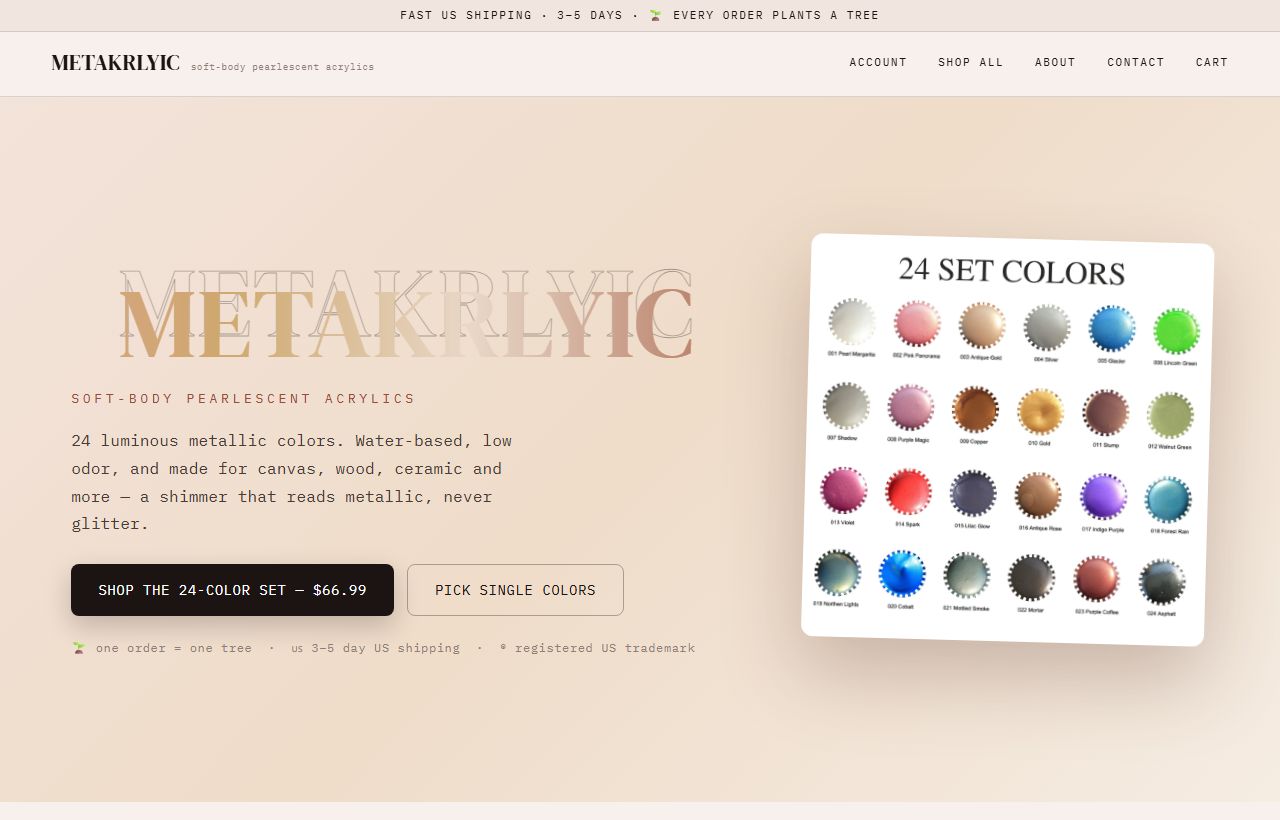
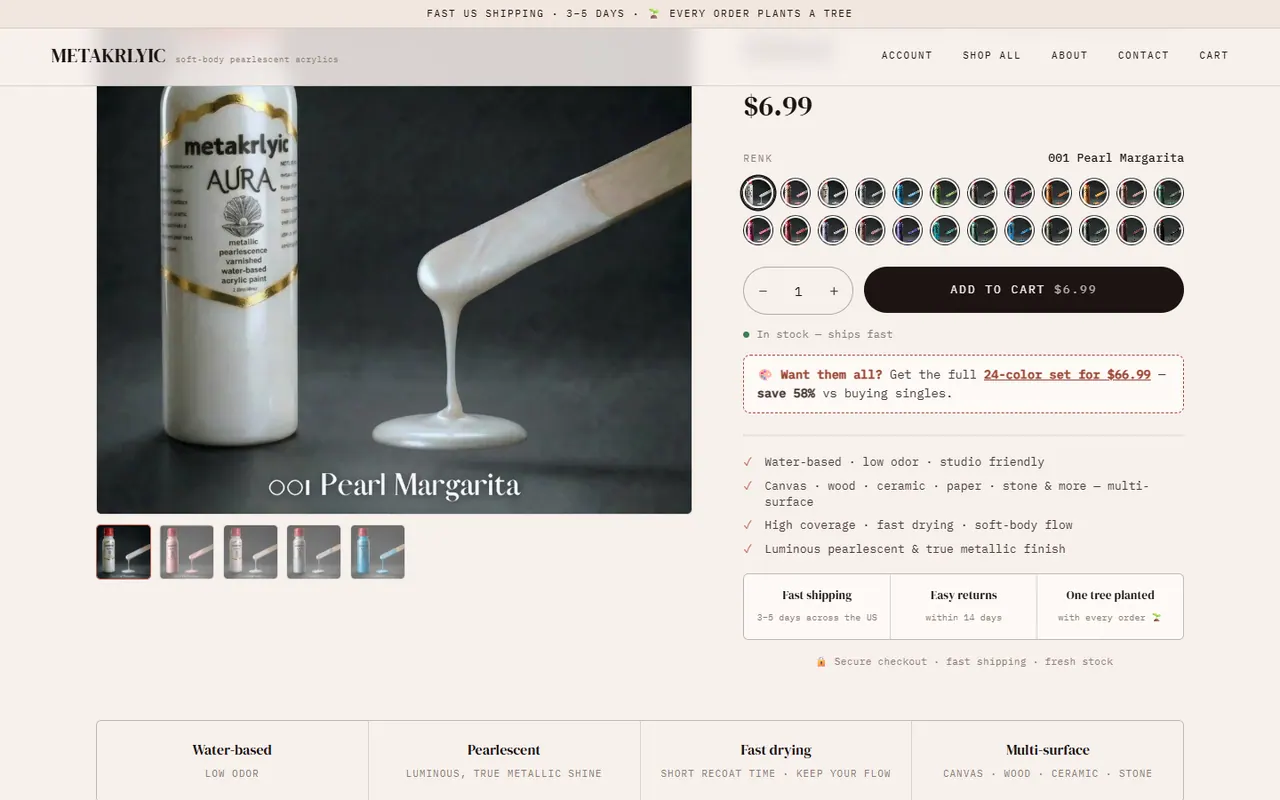
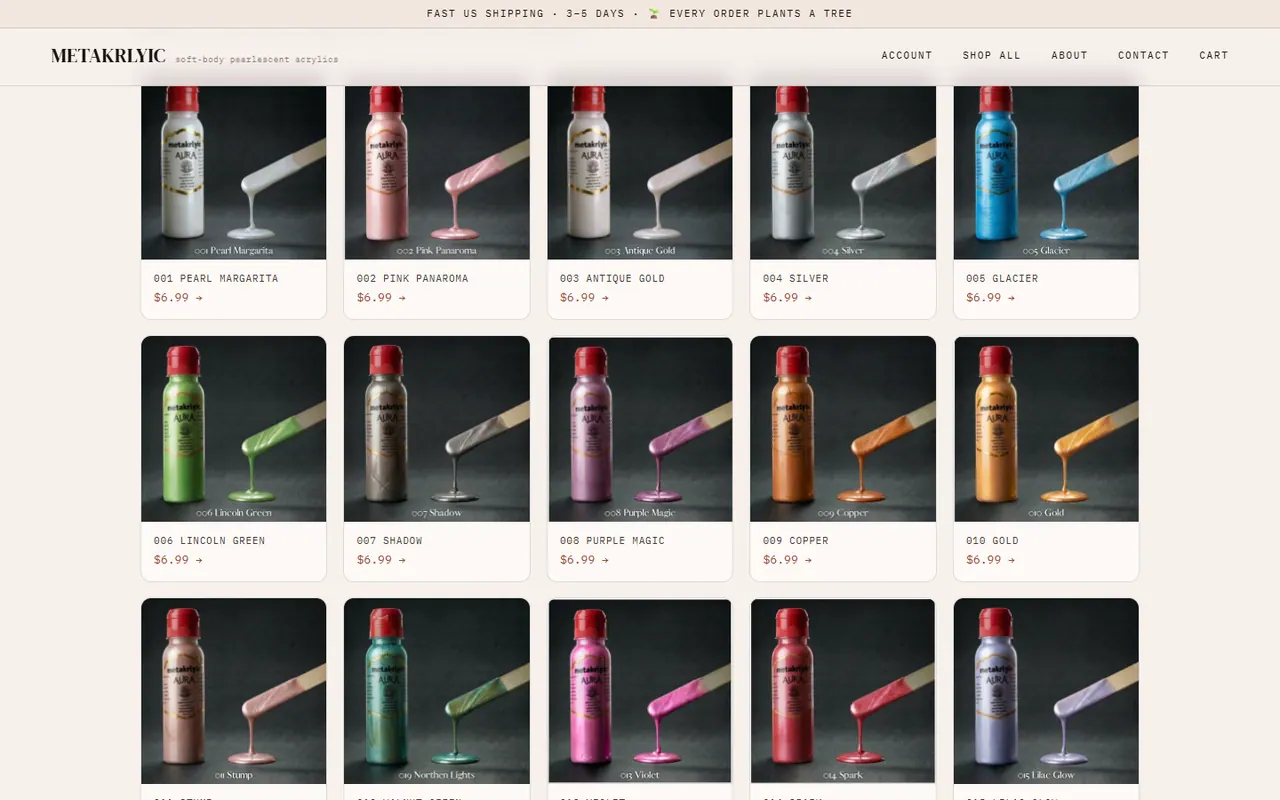
METAKRLYIC home page: the 24-colour set chart
Home page — what the product is, how many colours, the price and the shipping time, all on the first screen. The American buyer sees those four facts without scrolling.

The decisions I made

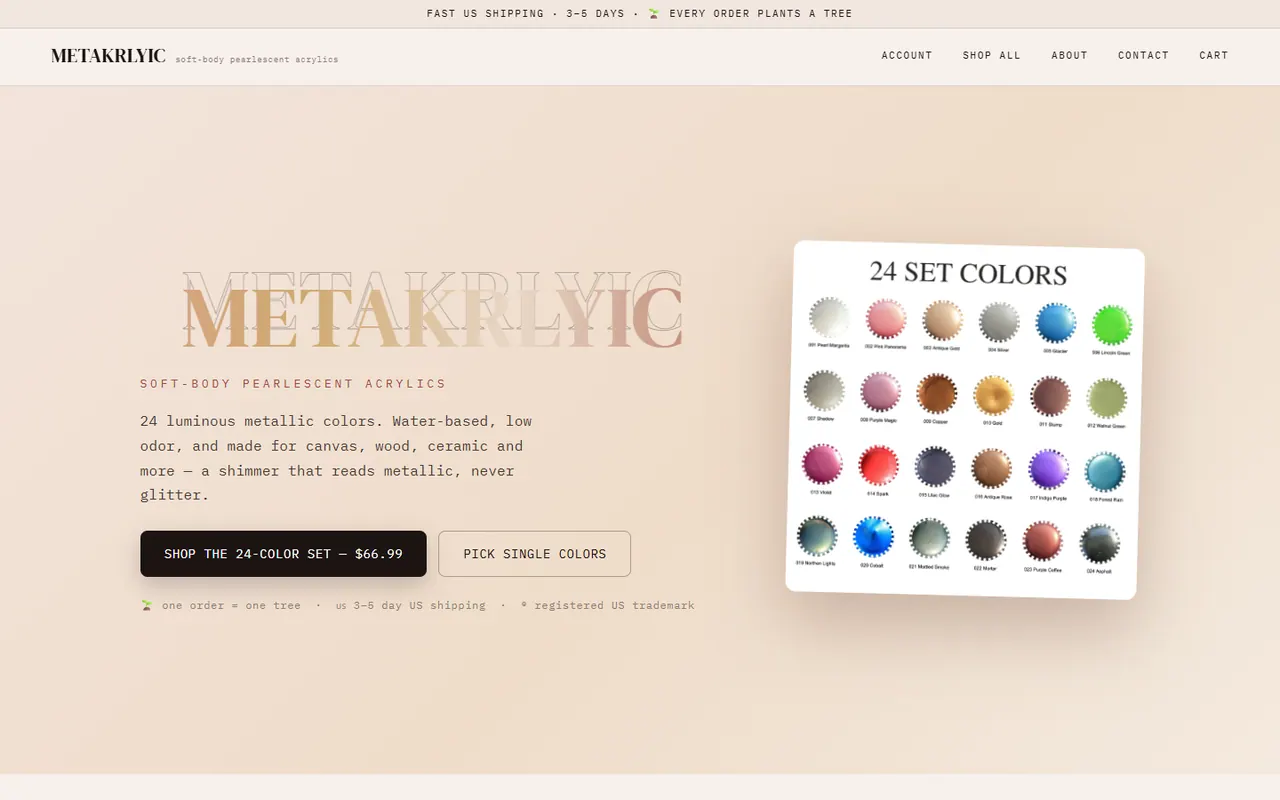
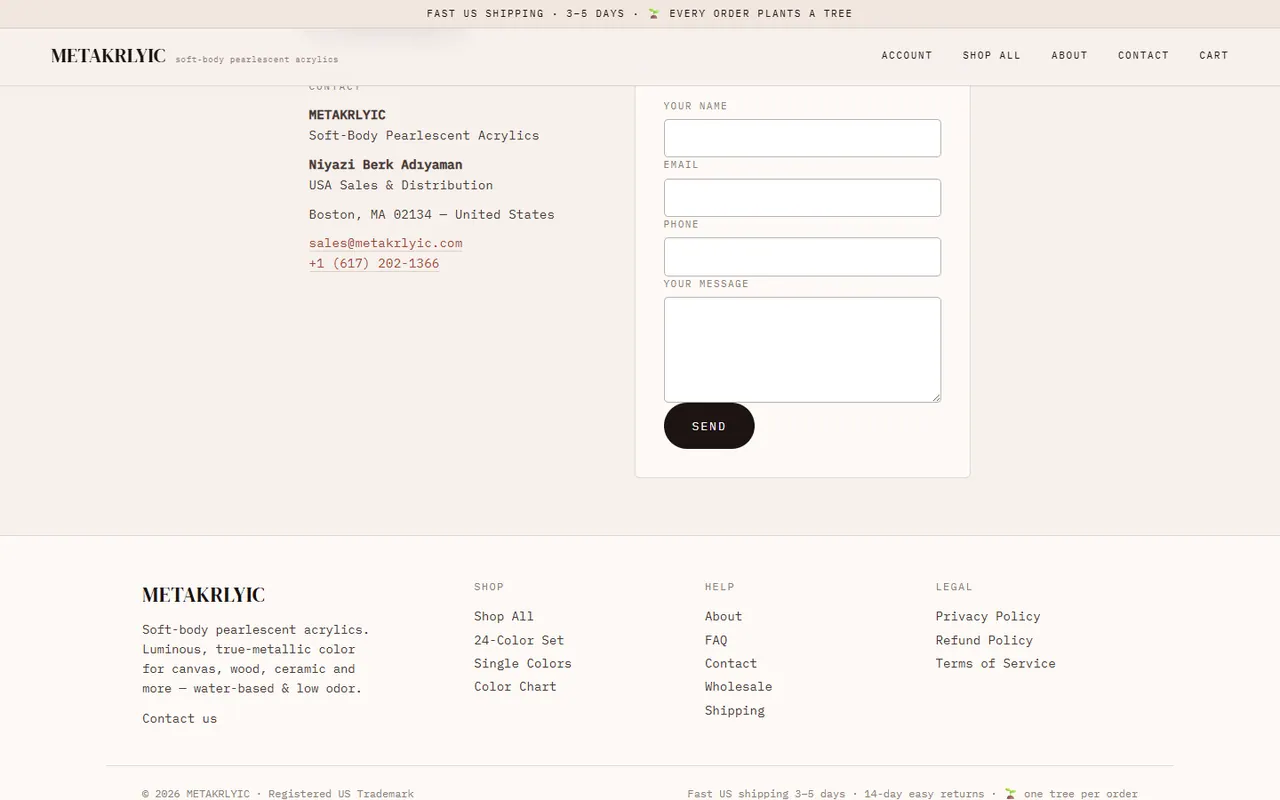
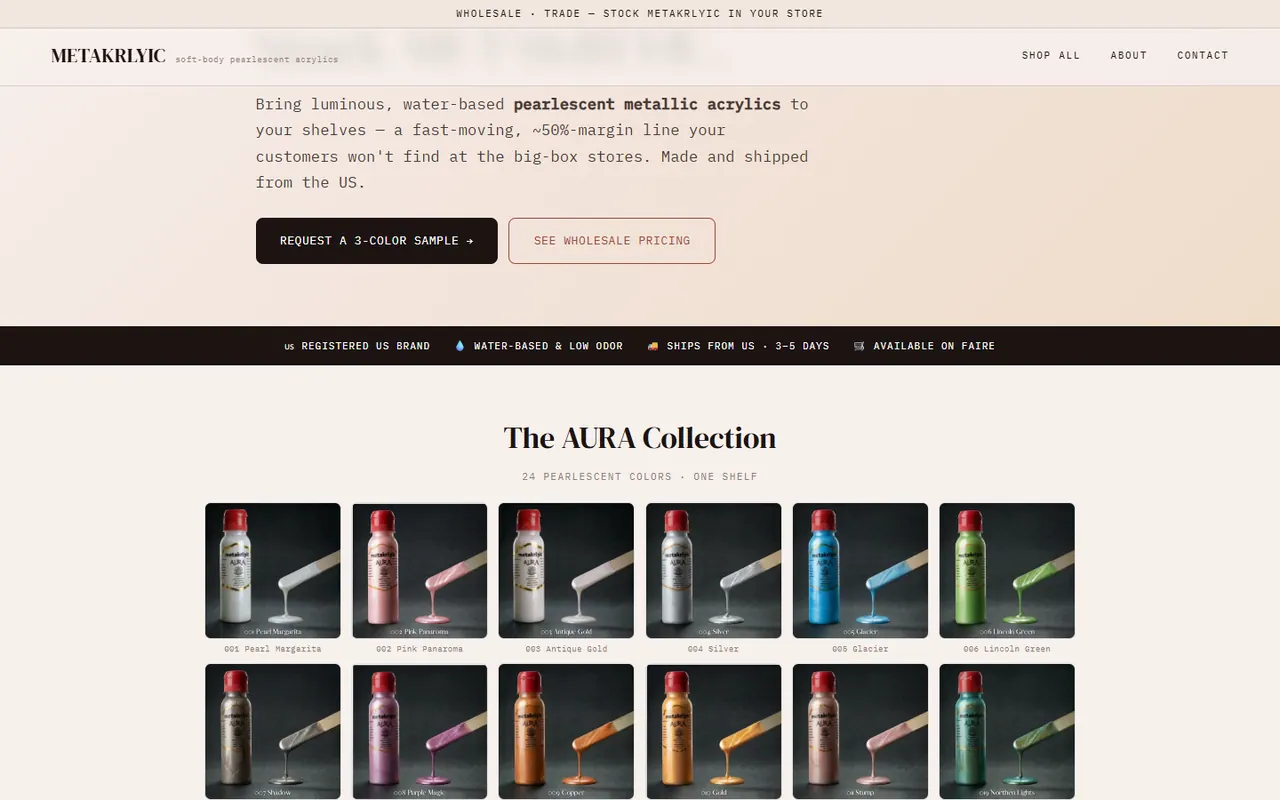
metakrlyic.com home page: a separate brand identity for the US market metakrlyic.com contact page: a US address and email from its own domain metakrlyic.com wholesale page: sample requests and the wholesale price list metakrlyic.com product page: the colour selection and add-to-cart flow metakrlyic.com colour chart: all 24 colours on a single page

metakrlyic.com — home page

01

Not a translation of the Turkish brand, a separate brand

I did not translate ART IST into English and call it exporting. METAKRLYIC is a separate name, a separate visual language, a separate product focus — aimed at one thing: a 24-colour pearlescent acrylic set.

Why: in a foreign market, a brand that "does everything" does not inspire trust. A brand that does one thing very well does.
02

Authenticated email from its own domain

Order confirmations and marketing emails go out from the brand's own address, not from Gmail — with the sender identity authenticated, so the emails do not land in the spam folder.

Why: an unauthenticated sender means most of your emails in the US are never seen at all. Without that setting, building a list is pointless.

03

A wholesale channel alongside retail

I opened a shop on Faire, the marketplace where independent art-supply stores in the US gather. The products stay in sync with the Shopify stock: what sells in one place comes off the other automatically. For the stores I find myself there is also a zero-commission direct sales line.

Why: reaching consumers one by one through ads is expensive. Selling to a store once means being on that store's shelves continuously.

04

An automatic flow that brings back the abandoned cart

When a first-time visitor leaves an email address, the welcome discount goes out automatically; a reminder email brings back anyone who filled a cart and left. Both were written in English and are live.

Why: most of the visitors your ads bring do not buy on the first visit. These two emails make the ad money you have already spent work a second time.

05

I spread the writing engine over months

Twenty articles were written under the name "Studio Notes" and scheduled months in advance to publish every other day. The site grows on its own every week.

Why: visitors from search engines are free but slow to arrive. If you do not sow today, you will still have nothing six months from now.

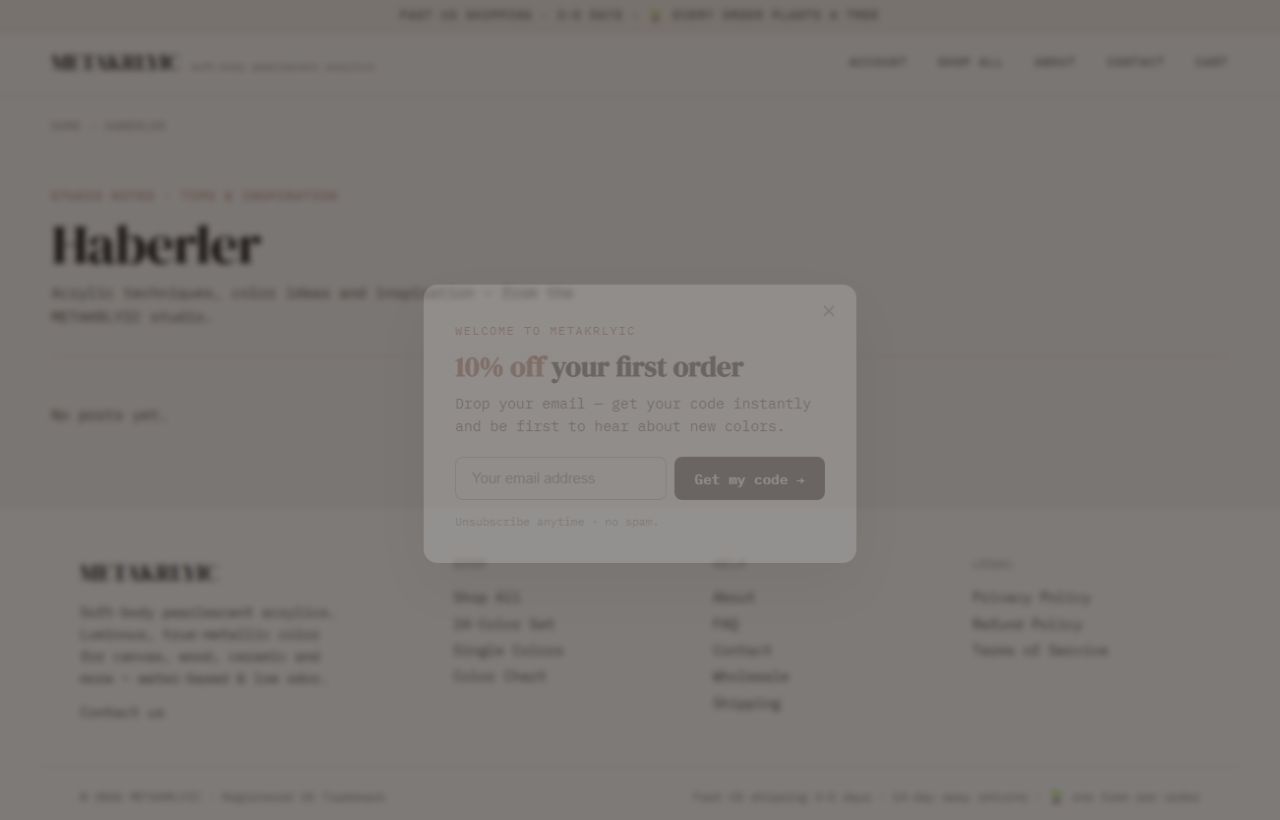
METAKRLYIC blog page
Studio Notes — a publishing plan written in advance and spread over months.

What there is today

24colours in the core product set
20articles, scheduled to publish
2sales channels: site + wholesale
%0commission — direct wholesale line

The parts that were built

Before and after

What follows is not a revenue claim but a statement of facts: what there was at the start, what there is today. I do not write anything here that I have not measured.

At the start
Today
Brand

There was no brand for the US market; translating the Turkish brand was being considered.

Brand

A separate name, a separate visual language, a separate brand focused on one product: a 24-colour pearlescent set.

Email

Correspondence went out from a personal email account.

Email

Email from the brand's own domain with an authenticated sender identity — it does not land in spam.

Abandoned cart

There was nothing to bring back a visitor who came to the site and left without buying.

Abandoned cart

The welcome discount and abandoned-cart reminder emails were written in English; both are live.

Sales channel

Only its own site; consumers had to be reached one by one through advertising.

Sales channel

The site plus a shop on the US wholesale marketplace; stock stays in sync between the two.

Content

There was as much content as on launch day, and nothing after that.

Content

Twenty articles were written and scheduled months in advance to publish every other day.

The lesson from this

What it means for your business

Exporting is not "finding a foreign customer", as most manufacturers assume. It is building the infrastructure that makes a foreign customer find you credible. An authenticated email domain, a real delivery time, a returns policy, a wholesale price list — none of it is impressive, but if one piece is missing the first order never arrives.

If you manufacture in Turkey and are thinking of going abroad, I have walked this road all the way once. Walking it a second time is much faster.

If you are thinking of going abroad

Is there a market for your product over there, which channel makes sense to enter through, how long it takes — let's talk about that. The first conversation is free.

Let us talk about your brand